 Image 1 of 2
 Image 2 of 2
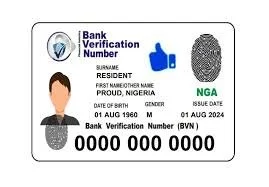
A Bank Verification Number (BVN) is a unique, biometric-based identification number issued to individuals by banks to authenticate and secure their identity across financial institutions. It is primarily used to reduce fraud, improve customer verification, and enable safer banking transactions.
Key features
Unique identifier: A numeric code assigned to an individual that is linked to their bank accounts across participating banks.
Biometric linkage: BVNs are captured and verified using biometric data (typically fingerprint and facial capture), which helps ensure that the number corresponds to a real person.
Single identity across banks: The BVN allows banks to recognize and verify the same customer when they operate accounts at multiple institutions, preventing duplicate or fraudulent account creation.
Centralized registry: BVNs are maintained in a central database managed by the relevant banking authority or central agency, enabling cross-institution verification.
Primary uses
Account opening: Verifying identity and preventing multiple accounts under false identities.
Transaction authentication: Enhancing security for high-value or suspicious transactions by confirming the account holder’s identity.
Fraud prevention and detection: Identifying and blocking accounts tied to fraudulent activity or identity theft.
Regulatory compliance: Assisting banks to meet know-your-customer (KYC) and anti-money laundering (AML) requirements.
Customer service: Simplifying identity verification for account inquiries, password resets, and other service requests.
Security and privacy considerations
Data protection: Biometric and personal data linked to a BVN should be protected by strong encryption, access controls, and strict data retention policies.
Consent and transparency: Customers should be informed about what data is collected, how it will be used, and who can access it.
Limited sharing: BVN data access should be restricted to authorized banking and regulatory entities to reduce misuse.
Dispute and rectification processes: Clear procedures should exist for individuals to report errors, contest fraudulent use, or update biometric information.
Limitations and risks
Biometric failure: Biometric sensors may fail to recognize legitimate users due to injuries, aging, or poor-quality captures, necessitating fallback verification methods.
Centralized target: A central BVN database can be an attractive target for attackers; breaches can have broad consequences.
Exclusion risk: People without access to registration channels or whose biometrics are difficult to capture may face exclusion from financial services if alternatives are not provided.
Legal and ethical concerns: Collecting biometric data raises privacy and human-rights considerations; legal frameworks and oversight are important.
Implementation best practices
Multi-factor verification: Use BVN alongside PINs, one-time passwords, and transaction monitoring for layered security.
Robust enrollment: Ensure high-quality biometric capture and identity document verification at enrollment to minimize errors.
Privacy-by-design: Limit stored data, enforce retention schedules, and apply strong encryption and logging for all access to BVN records.
Customer support: Provide accessible avenues to resolve disputes, correct errors, and re-enroll where necessary.
Regular audits: Conduct security and compliance audits of the BVN system and its operators.
Summary A Bank Verification Number is a centralized, biometric-linked identifier that strengthens identity verification, reduces fraud, and supports regulatory compliance across financial institutions. Effective use requires careful attention to data security, privacy protections, inclusive enrollment practices, and transparent customer rights.
A Bank Verification Number (BVN) is a unique, biometric-based identification number issued to individuals by banks to authenticate and secure their identity across financial institutions. It is primarily used to reduce fraud, improve customer verification, and enable safer banking transactions.
Key features
Unique identifier: A numeric code assigned to an individual that is linked to their bank accounts across participating banks.
Biometric linkage: BVNs are captured and verified using biometric data (typically fingerprint and facial capture), which helps ensure that the number corresponds to a real person.
Single identity across banks: The BVN allows banks to recognize and verify the same customer when they operate accounts at multiple institutions, preventing duplicate or fraudulent account creation.
Centralized registry: BVNs are maintained in a central database managed by the relevant banking authority or central agency, enabling cross-institution verification.
Primary uses
Account opening: Verifying identity and preventing multiple accounts under false identities.
Transaction authentication: Enhancing security for high-value or suspicious transactions by confirming the account holder’s identity.
Fraud prevention and detection: Identifying and blocking accounts tied to fraudulent activity or identity theft.
Regulatory compliance: Assisting banks to meet know-your-customer (KYC) and anti-money laundering (AML) requirements.
Customer service: Simplifying identity verification for account inquiries, password resets, and other service requests.
Security and privacy considerations
Data protection: Biometric and personal data linked to a BVN should be protected by strong encryption, access controls, and strict data retention policies.
Consent and transparency: Customers should be informed about what data is collected, how it will be used, and who can access it.
Limited sharing: BVN data access should be restricted to authorized banking and regulatory entities to reduce misuse.
Dispute and rectification processes: Clear procedures should exist for individuals to report errors, contest fraudulent use, or update biometric information.
Limitations and risks
Biometric failure: Biometric sensors may fail to recognize legitimate users due to injuries, aging, or poor-quality captures, necessitating fallback verification methods.
Centralized target: A central BVN database can be an attractive target for attackers; breaches can have broad consequences.
Exclusion risk: People without access to registration channels or whose biometrics are difficult to capture may face exclusion from financial services if alternatives are not provided.
Legal and ethical concerns: Collecting biometric data raises privacy and human-rights considerations; legal frameworks and oversight are important.
Implementation best practices
Multi-factor verification: Use BVN alongside PINs, one-time passwords, and transaction monitoring for layered security.
Robust enrollment: Ensure high-quality biometric capture and identity document verification at enrollment to minimize errors.
Privacy-by-design: Limit stored data, enforce retention schedules, and apply strong encryption and logging for all access to BVN records.
Customer support: Provide accessible avenues to resolve disputes, correct errors, and re-enroll where necessary.
Regular audits: Conduct security and compliance audits of the BVN system and its operators.
Summary A Bank Verification Number is a centralized, biometric-linked identifier that strengthens identity verification, reduces fraud, and supports regulatory compliance across financial institutions. Effective use requires careful attention to data security, privacy protections, inclusive enrollment practices, and transparent customer rights.