 Image 1 of 2
 Image 2 of 2
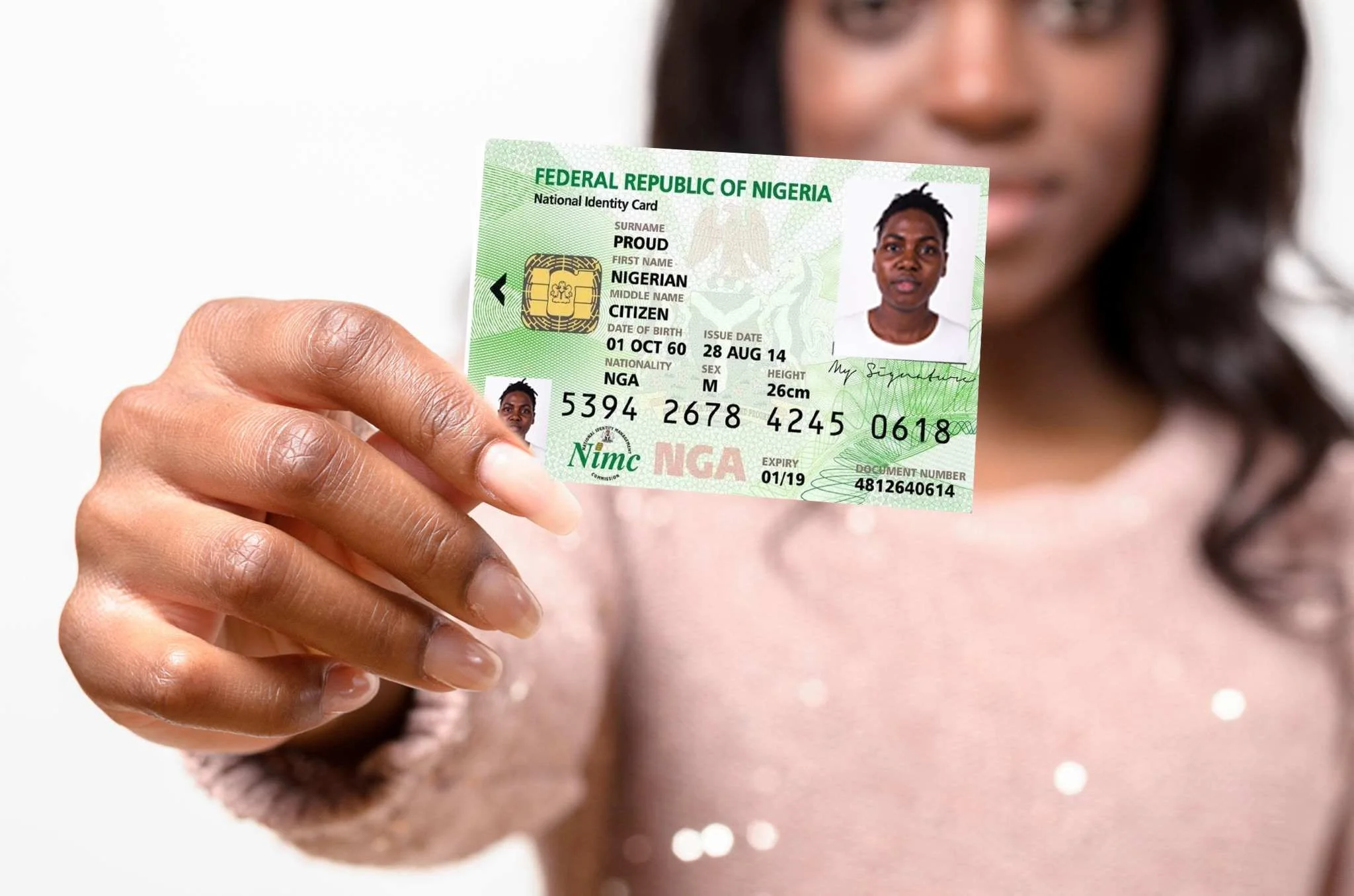
A National Identification Number (NIN) is a unique, government-issued identifier assigned to residents and citizens of a country for the purpose of establishing and verifying identity across public and private services. The NIN serves as a central reference that links an individual’s identity to official records, enabling efficient delivery of benefits, secure access to government and financial services, and improved population management.
Key characteristics
Uniqueness: Each NIN is unique to one individual and is not reassigned.
Permanence: The number is typically assigned for life and remains unchanged even if personal details (name, address) change.
Format: Format varies by country and may include numeric digits, letters, or check digits for error detection.
Issuing authority: A designated government agency (e.g., national registry, civil registration office, or social security administration) issues and manages NINs.
Linkage to records: The NIN connects to demographic data (name, date of birth, sex), biometric data in some systems (fingerprints, facial image), and administrative records (tax, social security, health, education).
Primary uses
Identity verification for government programs, voting, taxation, and social welfare.
Enrollment and authentication in health care, education, and pension systems.
Financial services onboarding (know-your-customer compliance) and fraud prevention.
Law enforcement, immigration control, and civil status verification.
Statistical and planning functions, including population censuses and public service delivery optimization.
Privacy and security considerations
Data protection: NIN systems hold sensitive personal information and require robust legal frameworks and technical safeguards to protect privacy and prevent misuse.
Access controls: Strict policies govern who can access NIN-linked data and for what purposes, accompanied by audit logging.
Minimization: Best practice limits use of the NIN to necessary contexts and advocates for alternatives (e.g., hashed tokens) where exposing the actual number is unnecessary.
Consent and transparency: Individuals should be informed about how their NIN is used and have recourse for correcting errors.
Risk of profiling: Aggregation of records across sectors can increase risks of surveillance and discrimination if not properly regulated.
Benefits and risks
Benefits: Improved service delivery, reduced duplication of records, streamlined administrative processes, stronger identity assurance, and better planning through accurate population data.
Risks: Centralized identifiers can concentrate risk—data breaches, identity theft, unauthorized profiling, exclusion due to incorrect records, and mission creep in usage
A National Identification Number (NIN) is a unique, government-issued identifier assigned to residents and citizens of a country for the purpose of establishing and verifying identity across public and private services. The NIN serves as a central reference that links an individual’s identity to official records, enabling efficient delivery of benefits, secure access to government and financial services, and improved population management.
Key characteristics
Uniqueness: Each NIN is unique to one individual and is not reassigned.
Permanence: The number is typically assigned for life and remains unchanged even if personal details (name, address) change.
Format: Format varies by country and may include numeric digits, letters, or check digits for error detection.
Issuing authority: A designated government agency (e.g., national registry, civil registration office, or social security administration) issues and manages NINs.
Linkage to records: The NIN connects to demographic data (name, date of birth, sex), biometric data in some systems (fingerprints, facial image), and administrative records (tax, social security, health, education).
Primary uses
Identity verification for government programs, voting, taxation, and social welfare.
Enrollment and authentication in health care, education, and pension systems.
Financial services onboarding (know-your-customer compliance) and fraud prevention.
Law enforcement, immigration control, and civil status verification.
Statistical and planning functions, including population censuses and public service delivery optimization.
Privacy and security considerations
Data protection: NIN systems hold sensitive personal information and require robust legal frameworks and technical safeguards to protect privacy and prevent misuse.
Access controls: Strict policies govern who can access NIN-linked data and for what purposes, accompanied by audit logging.
Minimization: Best practice limits use of the NIN to necessary contexts and advocates for alternatives (e.g., hashed tokens) where exposing the actual number is unnecessary.
Consent and transparency: Individuals should be informed about how their NIN is used and have recourse for correcting errors.
Risk of profiling: Aggregation of records across sectors can increase risks of surveillance and discrimination if not properly regulated.
Benefits and risks
Benefits: Improved service delivery, reduced duplication of records, streamlined administrative processes, stronger identity assurance, and better planning through accurate population data.
Risks: Centralized identifiers can concentrate risk—data breaches, identity theft, unauthorized profiling, exclusion due to incorrect records, and mission creep in usage